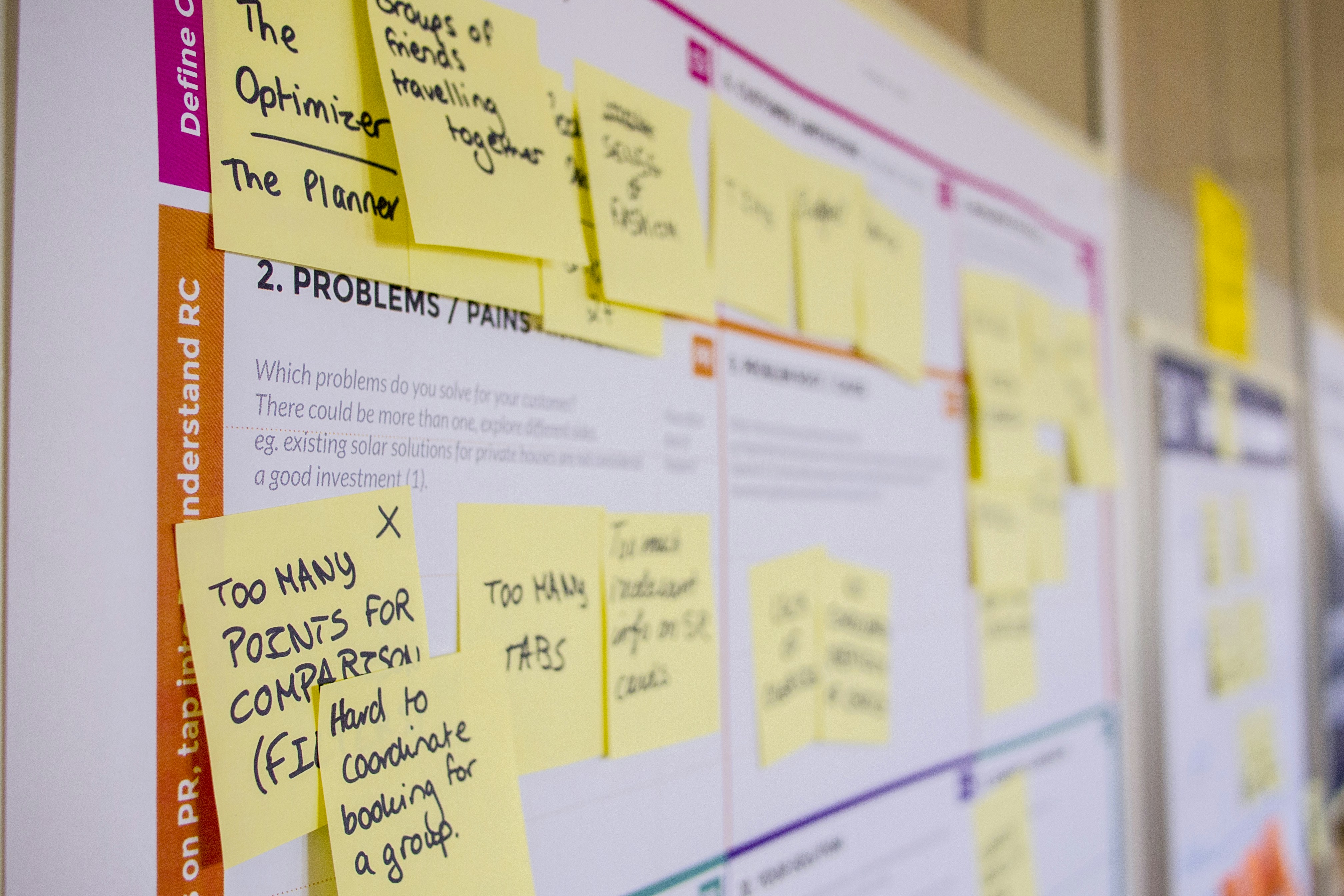
Every evening, millions of people face the same dilemma: staring at a list of unfinished tasks, wondering whether to carry them forward to tomorrow or let them fade into oblivion. This decision, made dozens of times each week, shapes your productivity more than any app, technique, or system ever could.
The Hidden Cost of Unfinished Tasks
Dr. Bluma Zeigarnik's famous research revealed that our brains are wired to remember unfinished tasks better than completed ones. This "Zeigarnik Effect" creates a mental background process that constantly reminds us of incomplete work, consuming cognitive resources even when we're not actively thinking about those tasks.
But here's where it gets interesting: not all unfinished tasks deserve to occupy your mental space. Learning to distinguish between tasks that merit persistence and those that should be released is one of the most valuable productivity skills you can develop.
"The art of productivity isn't just about getting things done—it's about knowing which things are worth getting done at all."
The Psychology of Task Attachment
Behavioral economist Dan Ariely's research on the "endowment effect" shows that once we consider something "ours"—including tasks we've written down—we overvalue them. We become emotionally attached to our task lists, making it psychologically difficult to delete items even when they no longer serve us.
Why We Cling to Irrelevant Tasks:
- Sunk Cost Fallacy: "I've already spent time planning this"
- Future Self Bias: "Future me will definitely want to do this"
- Productivity Theatre: Long task lists feel more productive than short, focused ones
- FOMO (Fear of Missing Out): "What if this becomes important later?"
The Three-Category Framework
Based on research from Stanford's Decision Science Lab, every unfinished task falls into one of three categories. Recognizing these categories is the key to making wise carry-forward decisions.
Category 1: Persistent Priorities (Always Carry Forward)
These tasks remain important regardless of when they're completed:
Characteristics of Persistent Priorities:
- Directly connected to your core goals or values
- Have clear deadlines or time sensitivity
- Consequences of not completing are significant
- Can't be delegated or automated
- Align with your current priorities and context
Examples: Client deliverables, health appointments, tax filing, important relationship conversations
Best Practice: Automatically carry forward, but consider breaking into smaller, more manageable pieces if they've been stalling.
Category 2: Context-Dependent Tasks (Evaluate Before Carrying Forward)
These tasks were valuable when created but may have lost relevance:
Evaluation Questions:
- Is this still relevant to my current situation?
- Do I have the resources/context needed to complete this?
- Would I add this to my list if it appeared today?
- Has anything changed that makes this less important?
- Am I avoiding this task for a valid reason?
Examples: Research projects, optional learning goals, home organization tasks, social events
Best Practice: Set a "shelf life" for these tasks. If they've been carried forward more than 3-5 times without progress, they likely belong in Category 3.
Category 3: Expired Tasks (Delete Without Guilt)
These tasks have outlived their usefulness and are now creating mental clutter:
Signs of Expired Tasks:
- Been on your list for weeks without any action
- No longer align with current goals or priorities
- Circumstances have changed, making them irrelevant
- You feel relief rather than guilt when considering deleting them
- They were added impulsively without clear purpose
Examples: Outdated research, event planning for cancelled events, impulse learning goals, projects that no longer excite you
Best Practice: Delete immediately and celebrate the mental space you've reclaimed. Your brain will thank you.
The Decision Matrix: A Systematic Approach
When facing an unfinished task, use this simple 2x2 matrix to make objective decisions:
Task Decision Matrix
| High Importance | Low Importance | |
|---|---|---|
| High Urgency | DO TODAY Carry forward to top priority |
SCHEDULE Carry forward with specific time |
| Low Urgency | PLAN Carry forward to someday/maybe list |
DELETE Remove without guilt |
Advanced Carry-Forward Strategies
The Weekly Review Method
Instead of making daily carry-forward decisions, batch this process into a weekly review:
- Collect all unfinished tasks from the past week
- Categorize using the three-category framework
- For Category 2 tasks, apply the decision matrix
- Schedule persistent priorities for specific days next week
- Delete expired tasks without looking back
The Energy-Based Approach
Consider your energy levels when deciding whether to carry forward tasks:
- High-energy tasks: Carry forward only if you have adequate energy scheduled
- Low-energy tasks: Perfect for filling gaps or low-motivation periods
- Variable-energy tasks: Break into components that match different energy levels
The Context Batching Strategy
Group similar unfinished tasks together for more efficient carry-forward:
- Communication tasks: Calls, emails, messages
- Creative work: Writing, design, brainstorming
- Administrative tasks: Filing, organizing, data entry
- Research tasks: Reading, investigating, learning
The Intelligent Task Forwarding System
Smart task management goes beyond simple copying. Here's how to carry forward tasks intelligently:
1. Task Evolution
Tasks should evolve as you carry them forward:
- Original: "Plan vacation"
- After one carry-forward: "Research three potential vacation destinations"
- After two carry-forwards: "Spend 30 minutes on vacation research during lunch break"
2. Dependency Checking
Before carrying forward, check if dependencies have changed:
- Are all required resources still available?
- Have any blocking tasks been resolved?
- Has the timeline or context shifted?
3. Motivation Renewal
Reconnect with the "why" behind carried-forward tasks:
- Review the original reason for adding the task
- Consider how completion connects to current goals
- Identify any new motivations that have emerged
Common Carry-Forward Mistakes
1. The Copy-Paste Trap
Blindly copying all unfinished tasks without evaluation leads to an ever-growing list that becomes overwhelming and demotivating.
2. The Guilt-Driven Decision
Carrying forward tasks because you "should" rather than because they're actually valuable creates a productivity system based on obligation rather than intention.
3. The Perfectionist Hold
Refusing to delete tasks because they're "still good ideas" clutters your system with tasks you'll realistically never complete.
4. The Context Blindness
Failing to consider whether you have the right context, energy, or resources to complete carried-forward tasks.
Technology and Smart Task Forwarding
Modern task management tools can significantly improve your carry-forward process when used correctly:
Look for Features Like:
- Automatic carry-forward suggestions based on task patterns
- Task aging indicators that highlight stale tasks
- Context-aware scheduling that considers your capacity
- Intelligent task breaking that suggests smaller action steps
Master Intelligent Task Forwarding
Tasks makes it easy to carry forward the right tasks while letting go of the ones that no longer serve you. Smart suggestions help you maintain a clean, focused task list.
Try Intelligent Task ManagementThe Emotional Side of Letting Go
Deleting tasks can feel emotionally difficult, even when it's the right decision. Here's how to make peace with incompletion:
Reframe Deletion as Curation
You're not failing to complete tasks—you're actively curating a meaningful, manageable list that serves your current priorities.
Create a "Someday/Maybe" Archive
For tasks you're not ready to delete completely, move them to an archived "someday" list that you review monthly or quarterly.
Celebrate Intentional Incompletion
Recognize that choosing not to do something is often more valuable than doing it poorly or at the wrong time.
Building Your Carry-Forward System
Weekly Task Review Process:
- Collect: Gather all unfinished tasks from the past week
- Categorize: Sort into Persistent/Context-Dependent/Expired
- Evaluate: Apply decision matrix to Category 2 tasks
- Evolve: Break down or modify tasks that have been stalling
- Schedule: Assign specific times for carried-forward tasks
- Delete: Remove expired tasks without guilt
- Archive: Move uncertain tasks to "someday" list
The Bottom Line
The art of managing unfinished tasks isn't about completing everything you start—it's about making intentional decisions about what deserves your limited time and attention.
Every task you carry forward should pass a simple test: "If this appeared on my list today for the first time, would I add it?" If the answer is no, you have permission to let it go.
Remember, your task list is a tool to serve your goals, not a master to serve. The most productive people aren't those who complete every task—they're those who complete the right tasks while gracefully releasing the rest.
Start this week by auditing your unfinished tasks. You might be surprised how liberating it feels to deliberately choose what not to do.