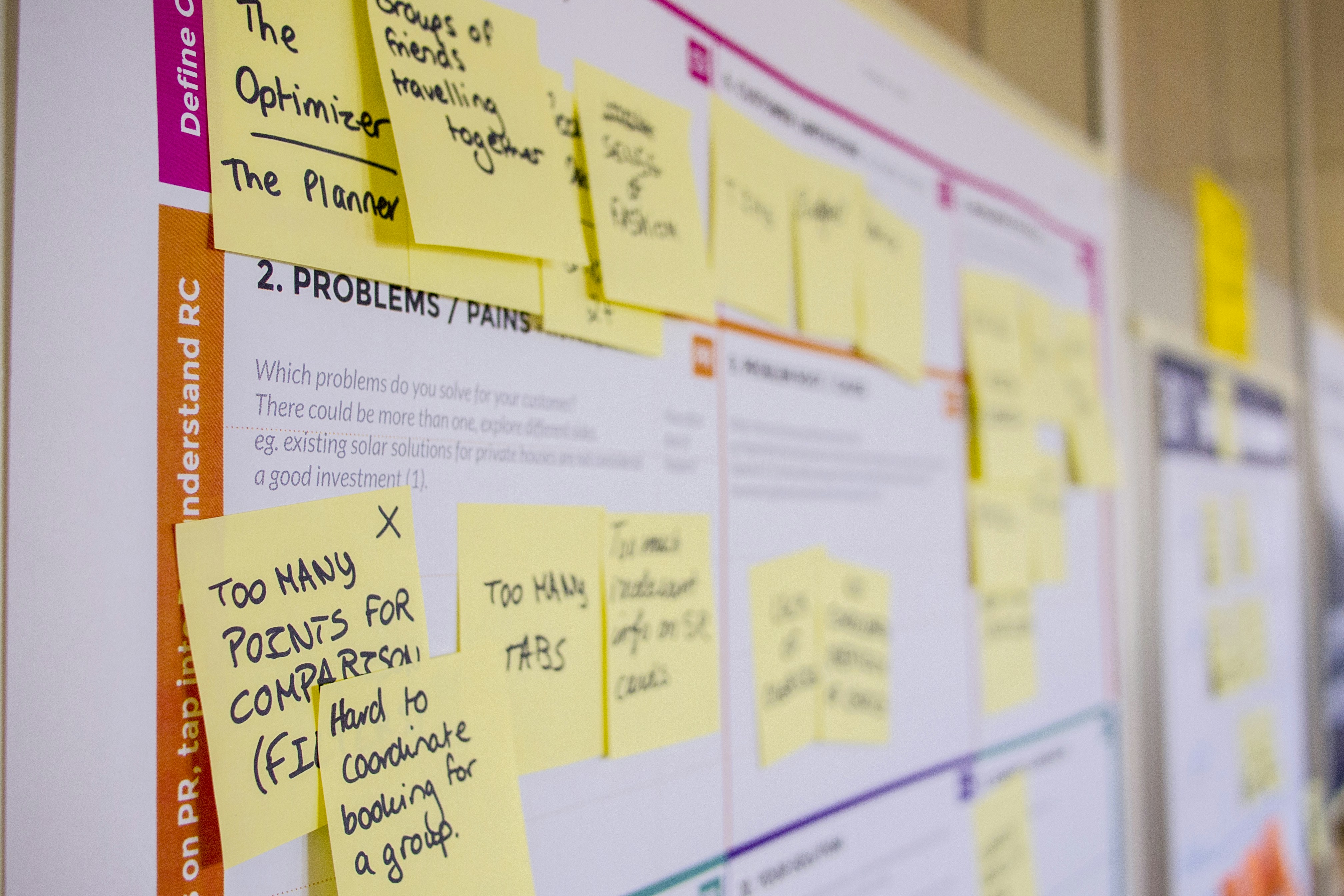
Why do some people consistently complete their planned tasks while others struggle to finish even half their daily schedule? The difference isn't willpower or discipline—it's understanding how to schedule in alignment with human psychology and energy patterns.
The Problem with Traditional Scheduling
Most people schedule tasks the way they'd program a computer: assuming consistent performance and unlimited processing power. But humans aren't machines. We have energy cycles, emotional states, and cognitive limitations that traditional scheduling completely ignores.
Research from the Harvard Business School found that people typically plan to complete 68% more tasks than they actually finish. This isn't a character flaw—it's a systematic planning error that can be fixed with smarter scheduling strategies.
"The key to effective scheduling isn't finding more time—it's matching the right tasks to the right moments when you have the energy and focus to complete them successfully."
Understanding Your Natural Energy Architecture
Dr. Michael Breus, a clinical psychologist and sleep specialist, identifies four distinct chronotypes that determine when we perform different types of work most effectively. Understanding your chronotype is the foundation of smart scheduling.
The Four Energy Patterns:
1. Lions (25% of population) - Morning Peak
- Peak Focus: 6:00 AM - 10:00 AM
- Best For: Complex problem-solving, strategic planning
- Energy Dip: 1:00 PM - 3:00 PM (ideal for routine tasks)
- Second Wind: 5:00 PM - 6:00 PM
2. Bears (50% of population) - Mid-Morning Peak
- Peak Focus: 9:00 AM - 12:00 PM
- Best For: Collaborative work, meetings, creative projects
- Energy Dip: 2:00 PM - 4:00 PM (ideal for administrative tasks)
- Evening Wind-down: 9:00 PM - 10:00 PM
3. Wolves (15% of population) - Evening Peak
- Slow Start: 9:00 AM - 11:00 AM (routine tasks only)
- Peak Focus: 5:00 PM - 9:00 PM
- Best For: Creative work, complex analysis, innovation
- Natural Bedtime: 11:30 PM or later
4. Dolphins (10% of population) - Variable Pattern
- Peak Focus: 10:00 AM - 2:00 PM
- Best For: Detail-oriented work, quality control
- Irregular Sleep: Light sleepers, often perfectionists
- Strategy: Flexible scheduling with buffer time
The Science of Task-Energy Matching
Research from the University of Toronto found that matching task types to energy levels can improve performance by up to 40% and reduce mental fatigue by 60%. Here's how to align your schedule with your cognitive resources:
High-Energy Tasks (Peak Hours)
During your peak energy window, tackle tasks that require:
- Complex decision-making
- Creative problem-solving
- Learning new skills
- Important conversations or negotiations
- Strategic planning and analysis
Medium-Energy Tasks (Steady Hours)
During stable energy periods, focus on:
- Routine meetings and calls
- Email management and communication
- Project management and coordination
- Collaborative brainstorming
- Research and information gathering
Low-Energy Tasks (Recovery Hours)
During natural dips, schedule:
- Administrative work and data entry
- Filing and organizing
- Routine maintenance tasks
- Simple, mindless activities
- Planning and preparation for the next day
The Planning Fallacy and Buffer Strategies
Nobel Prize winner Daniel Kahneman identified the "planning fallacy"—our systematic tendency to underestimate how long tasks will take. Smart scheduling accounts for this bias through strategic buffer time.
The 1.5x Rule
For any task you estimate will take X minutes, schedule 1.5x that time. This accounts for:
- Unexpected interruptions
- Task complexity creep
- Transition time between activities
- Mental fatigue accumulation
Strategic Buffer Types
1. Micro-Buffers (5-10 minutes)
Short breaks between individual tasks to prevent attention residue—the mental fog that lingers when switching between different types of work.
2. Macro-Buffers (30-60 minutes)
Longer blocks of unscheduled time to handle unexpected urgent tasks without derailing your entire day.
3. Recovery Buffers (15-30 minutes)
Dedicated rest periods after high-cognitive-load tasks to prevent decision fatigue and maintain performance quality.
The Ultradian Rhythm Advantage
Beyond daily energy cycles, humans operate on 90-120 minute ultradian rhythms throughout the day. Dr. Nathaniel Kleitman, who discovered REM sleep, found these same cycles govern our alertness during waking hours.
Optimizing for Ultradian Rhythms:
- Work in 90-minute blocks followed by 20-minute breaks
- Match task intensity to where you are in the cycle
- Use natural dips for administrative work or brief rest
- Never schedule back-to-back high-intensity work sessions
Smart Scheduling Frameworks
1. The Energy Audit Method
Before creating any schedule, track your energy levels hourly for one week:
- Rate energy 1-5 every hour you're awake
- Note what tasks you naturally gravitate toward
- Identify patterns in your peak and low periods
- Design your schedule around these natural rhythms
2. The Theme-Day System
Instead of mixing different types of work randomly, dedicate days or half-days to similar activities:
- Monday: Planning and strategic work
- Tuesday: Creative projects and innovation
- Wednesday: Meetings and collaboration
- Thursday: Deep work and analysis
- Friday: Administrative tasks and weekly review
3. The 3-2-1 Priority Framework
Each day, schedule:
- 3 important tasks (during peak energy)
- 2 medium tasks (during steady energy)
- 1 easy task (during low energy)
This prevents overcommitment while ensuring meaningful progress.
Advanced Scheduling Strategies
Seasonal Energy Management
Research shows that our energy patterns change with seasons. Adjust your scheduling accordingly:
- Winter: Earlier peak hours, more indoor focused work
- Spring: Increased motivation for new projects and learning
- Summer: Higher social energy, better for collaborative work
- Fall: Natural focus on completion and organization
The Context Switching Cost
Studies show it takes an average of 23 minutes to fully refocus after an interruption. Smart scheduling minimizes context switching by:
- Batching similar tasks together
- Creating dedicated communication windows
- Using "themed" work blocks
- Building in transition time between different types of work
Emotional State Scheduling
Your emotional state dramatically affects performance. Consider scheduling:
- Difficult conversations when you're naturally more resilient
- Creative work when you're in a positive mood
- Analytical tasks when you're feeling focused and clear
- Routine work when emotional energy is low
Technology and Smart Scheduling
Modern task management apps can significantly enhance smart scheduling when used correctly. The key is finding tools that support energy-aware planning rather than just time-based organization.
Features to Look For:
- Flexible scheduling based on energy levels, not just clock time
- Task categorization by cognitive load or energy requirement
- Intelligent reminders that consider your natural rhythms
- Buffer time integration and realistic time estimation
Schedule Smarter with Science-Based Planning
Tasks integrates smart scheduling principles to help you plan realistically and accomplish more. Features like energy-aware scheduling and intelligent time estimation make this easy.
Try Smart Scheduling with TasksCommon Smart Scheduling Mistakes
1. Ignoring Energy Patterns
Scheduling high-cognitive tasks during your natural low-energy periods guarantees poor performance and frustration.
2. Over-scheduling Peak Hours
Just because you're energetic doesn't mean you should pack every minute. Peak hours need breathing room to maintain quality.
3. Underestimating Transition Time
Moving between different types of tasks—especially from high to low intensity—requires mental reset time.
4. Not Planning for Interruptions
A schedule with no buffer time is a schedule designed to fail. Build in flexibility from the start.
Measuring Smart Scheduling Success
Track these metrics to optimize your scheduling approach:
- Completion Rate: Percentage of scheduled tasks actually completed
- Energy Alignment: How often you're doing the right tasks at the right energy level
- Buffer Utilization: Whether you're using planned buffer time effectively
- Stress Levels: How realistic scheduling affects your daily stress and anxiety
The Bottom Line
Smart scheduling isn't about cramming more tasks into your day—it's about accomplishing meaningful work without burning out. When you align your schedule with your natural energy patterns, respect cognitive limitations, and build in realistic buffers, you create a sustainable approach to productivity.
The goal isn't to optimize every minute, but to optimize the match between your human capabilities and your planned activities. This creates a virtuous cycle: better completion rates boost confidence, which improves planning accuracy, which leads to even better results.
Start by tracking your energy for one week. Then gradually adjust your scheduling to honor what you discover about your natural rhythms. Your future self will thank you for working with your brain instead of against it.