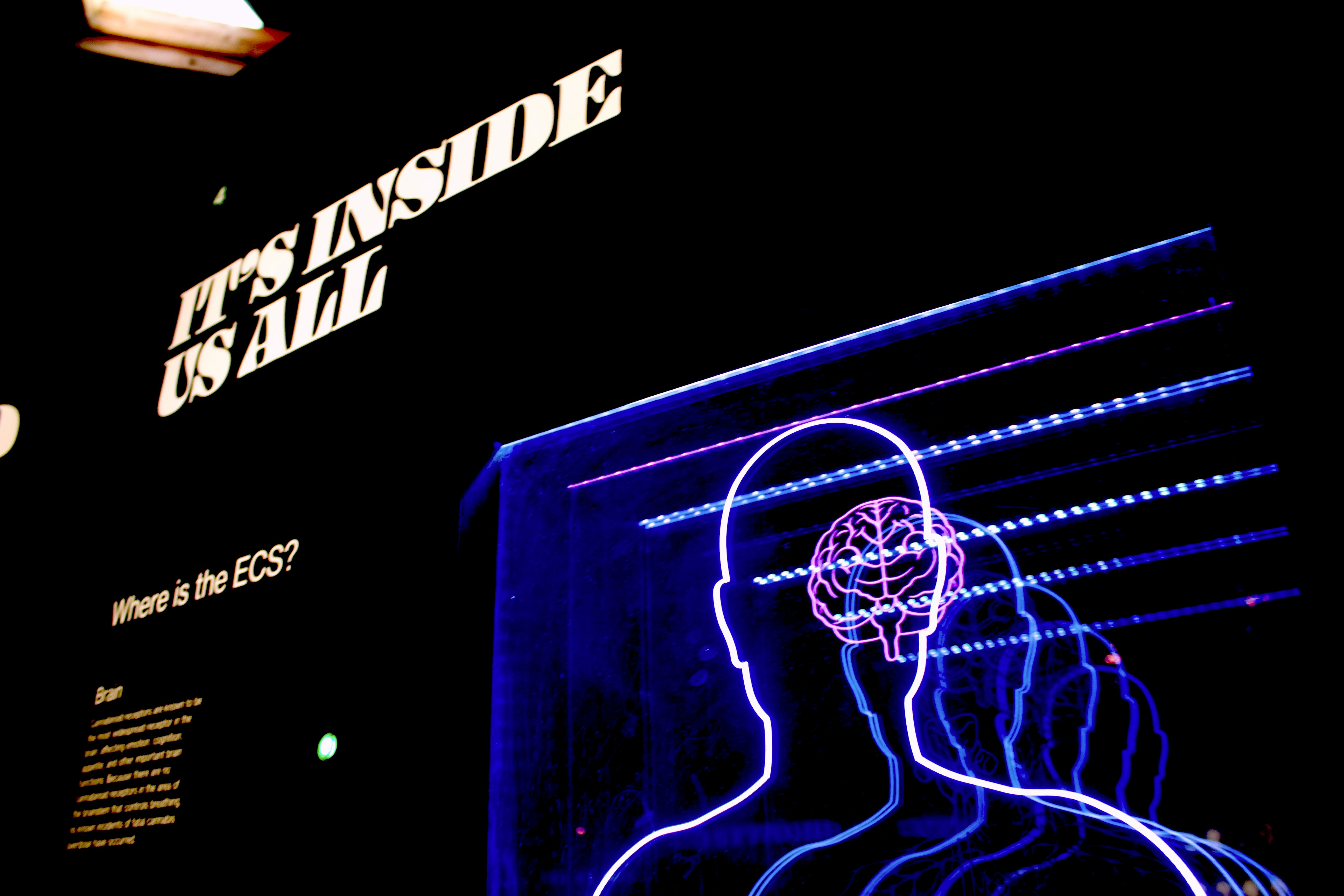
Have you ever wondered why some days feel effortlessly productive while others leave you mentally drained despite working just as hard? The answer lies in how your brain processes and manages tasks throughout the day.
The Neuroscience Behind Task Organization
Research in cognitive neuroscience reveals that our brains are prediction machines, constantly trying to anticipate what comes next. When you have a clear, organized task list, you're giving your brain the structure it craves to function optimally.
Dr. Daniel Levitin, neuroscientist and author of "The Organized Mind," explains that the human brain has a limited capacity for processing information. When tasks are scattered and unorganized, our brains waste precious cognitive resources trying to keep track of everything.
"The brain is not designed to multitask. It's designed to focus on one thing at a time. When we try to do multiple things simultaneously, we're actually rapidly switching between tasks, which depletes our mental energy."
The Cognitive Load Theory
Psychologist John Sweller's Cognitive Load Theory demonstrates that our working memory can only handle 7±2 pieces of information simultaneously. This is why effective task management systems, like those used in the Tasks app, organize information into digestible chunks with clear priorities and visual cues.
Three Types of Cognitive Load:
- Intrinsic Load: The mental effort required for the task itself
- Extraneous Load: Unnecessary mental effort from poor organization
- Germane Load: The effort spent building long-term understanding
By using a structured daily task list with priorities and colors, you minimize extraneous load and free up mental resources for what actually matters.
The Psychology of Task Completion
The "Zeigarnik Effect," discovered by psychologist Bluma Zeigarnik, shows that our brains are wired to remember incomplete tasks better than completed ones. This creates a mental background process that constantly reminds us of unfinished work, leading to stress and distraction.
However, when you externalize these tasks into a reliable system—like a daily task manager—your brain can relax knowing nothing will be forgotten. This is why users of structured task apps report feeling more focused and less anxious.
Optimal Task Structure for Your Brain
Based on neuroscientific research, here's how to structure your daily tasks for maximum cognitive efficiency:
1. Time-blocking with Priorities
Schedule your most cognitively demanding tasks during your peak focus hours (usually 2-4 hours after waking). Use color-coding to instantly recognize priority levels without mental processing.
2. The Magic Number 3
Limit yourself to 3 major tasks per day. This aligns with your brain's natural capacity and prevents overwhelm while ensuring meaningful progress.
3. Visual Hierarchy
Use visual elements like colors, icons, and spacing to create clear information hierarchy. Your brain processes visual information 60,000 times faster than text.
The Tasks App Advantage
The Tasks app leverages these neuroscientific principles by providing:
- Clear visual hierarchy with priority colors and clean design
- Reduced cognitive load through intuitive task creation and organization
- Completion tracking that provides dopamine rewards for finished tasks
- Smart reminders that work with your natural attention cycles
Implementing Science-Based Task Management
Here's a practical approach to apply these insights:
- Brain Dump: Start each day by writing down everything on your mind
- Prioritize: Use a clear system (like color-coding) to mark importance
- Sequence: Arrange tasks based on energy levels and deadlines
- Focus: Work on one task at a time with full attention
- Review: End each day by reviewing progress and planning tomorrow
The Bottom Line
Your brain isn't lazy—it's optimized for survival, not modern productivity demands. By understanding and working with your brain's natural tendencies rather than against them, you can dramatically improve your focus, reduce stress, and accomplish more meaningful work.
The key is using tools and systems that align with how your brain actually works. When your task management supports your cognitive architecture instead of fighting it, productivity becomes effortless.
Experience Science-Based Task Management
Ready to work with your brain instead of against it? Try Tasks and discover how proper task organization can transform your productivity.
Download Tasks for Free